


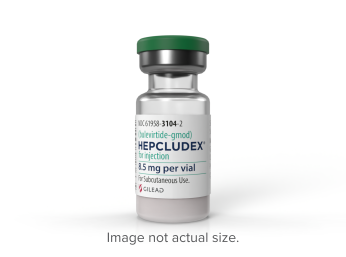





INDICATION1
HEPCLUDEX is indicated for the treatment of chronic hepatitis delta virus (HDV) infection in adults without cirrhosis or with compensated cirrhosis.
This indication is approved under accelerated approval based on a decrease in HDV RNA and alanine aminotransferase (ALT) normalization. An improvement in disease-related clinical outcomes has not been established. Continued approval for this indication may be contingent upon verification and description of clinical benefit in a confirmatory trial(s).
Please see full Prescribing Information for HEPCLUDEX, including BOXED WARNING and Instructions for Use.
IMPORTANT SAFETY INFORMATION
BOXED WARNING: POSTTREATMENT SEVERE ACUTE EXACERBATION OF HEPATITIS D and B
Severe acute exacerbations of hepatitis D and hepatitis B may occur after HEPCLUDEX is discontinued, especially in patients with cirrhosis, who may be at increased risk of more severe flares or progression to hepatic decompensation. Monitor hepatic function closely with both clinical and laboratory follow-up, including hepatitis B virus (HBV) DNA and hepatitis delta virus (HDV) RNA viral load, for at least six months in patients who discontinue HEPCLUDEX. Resumption of antiviral therapy may be warranted.
Warnings and Precautions
Hypersensitivity Reactions Including Anaphylaxis: Hypersensitivity reactions, including anaphylaxis, have been reported with HEPCLUDEX. If signs or symptoms of a clinically significant hypersensitivity reaction or anaphylaxis occur, immediately discontinue HEPCLUDEX and initiate appropriate treatment.
Adverse Reactions
Most common adverse reactions (incidence ≥10%; all grades) in HEPCLUDEX clinical trials were injection site reactions, headache, abdominal pain, fatigue and pruritus.
Dosage and Administration
- Dosage in adults: 8.5 mg once daily administered by subcutaneous injection.
- HEPCLUDEX should be continued as long as it is associated with a response to treatment. The optimal treatment duration is unknown.
- In all patients, manage the underlying hepatitis B virus (HBV) infection as clinically appropriate.
Pregnancy and Lactation
- Pregnancy: There are insufficient data from human pregnancies exposed to HEPCLUDEX to allow an assessment of a drug-associated risk of major birth defects, miscarriage, or other adverse maternal or fetal outcomes.
- Lactation: There are no data on the presence of HEPCLUDEX in human milk, the effects on the breastfed infant, or the effects on milk production. The developmental and health benefits of breastfeeding should be considered along with the mother's clinical need for HEPCLUDEX and any potential adverse effects on the breastfed child from HEPCLUDEX or from the underlying maternal condition.